Cancer Neuroscience Through the Ticks of the Circadian Clock
Our Research
Our lab studies glioblastoma, the most aggressive form of brain cancer, through the lens of the body's internal clock. Our research explores how circadian rhythms and sleep influence the way cancer cells grow and respond to treatment, with the goal of understanding whether timing therapies can make a meaningful difference for patients.
By combining tools from circadian biology, neuroscience, and cancer research, our lab aims to uncover new strategies that could lead to more effective, personalized approaches to treating cancer.
Our Philosophy
Our lab is committed to building a scientific community where talent from all backgrounds can thrive. We are especially proud to train the next generation of Puerto Rican scientists. We value curiosity, rigor, and collaboration, and we believe good mentorship means meeting trainees where they are and helping them grow into confident, independent scientists. We strive to make our lab a place where every trainee feels they belong and can see themselves contributing to exciting research.

Featured publications
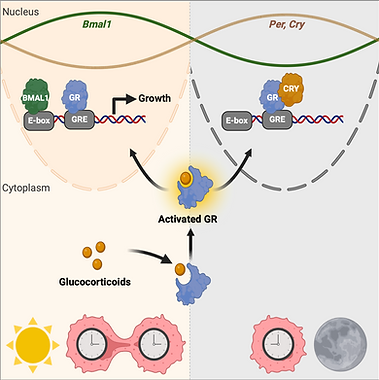
Daily glucocorticoids promote glioblastoma growth and circadian synchrony to the host
Glioblastoma tumors have their own internal clocks that synchronize to the brain's daily glucocorticoid rhythms. The timing of glucocorticoid treatment (such as treating tumors with dexamethasone) can significantly influence tumor growth. These findings suggest that the time when steroids are given may matter for patient outcomes.